
free standing full length mirror with lights
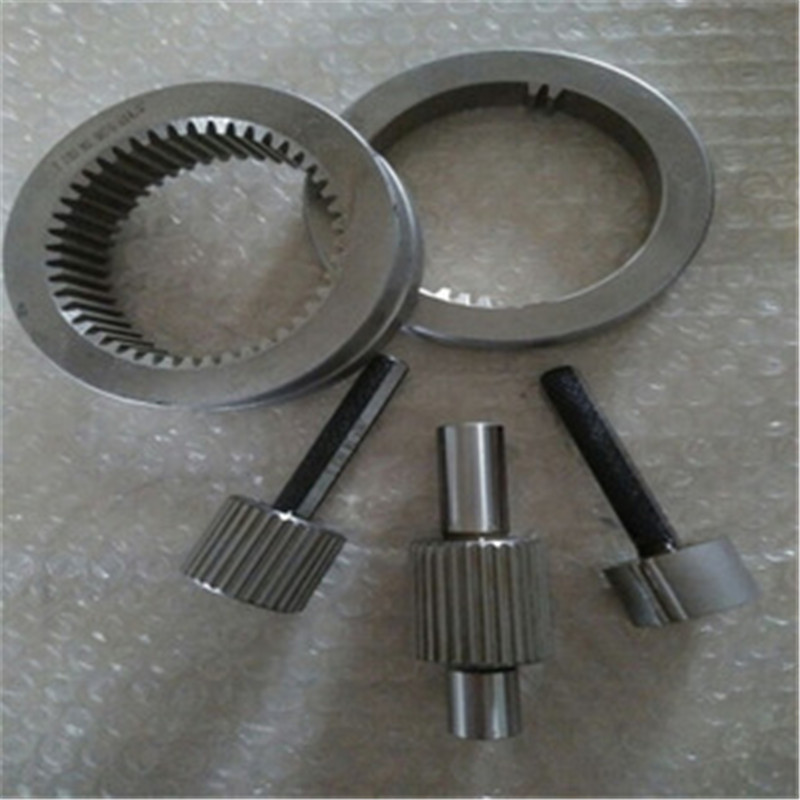
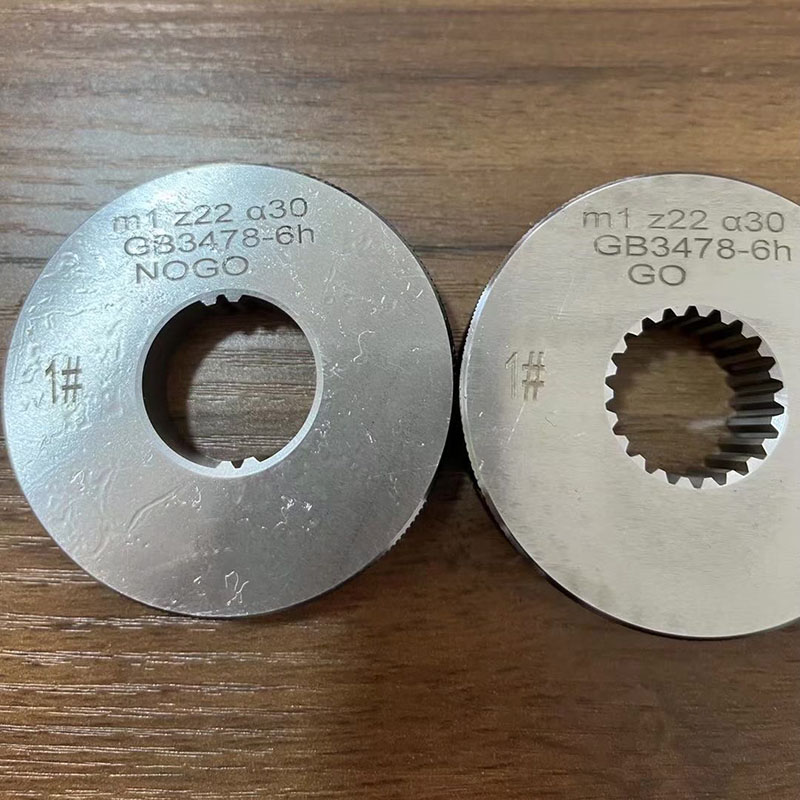
Selecting the right spline gauge for complex gear profiles is critical to ensuring precision, durability, and compliance in industrial applications. As gears become more intricate to meet advanced engineering demands, the tools used to measure and validate them must evolve. This guide explores four pillars of spline gauge selection—calibration, design, standards, and application—to help manufacturers and quality assurance teams make informed decisions. Whether producing automotive transmissions, aerospace components, or heavy machinery, understanding these factors ensures seamless integration of spline gauges into high-volume production workflows. Spline Gage Calibration: Ensuring Precision in Measurement Spline gage calibration is the cornerstone of maintaining measurement accuracy over time. Even the most meticulously designed spline gauge can lose precision due to wear, environmental factors, or repeated use. Calibration involves comparing the gauge against a master standard to identify deviations and adjust its dimensions accordingly. For complex gear profiles, this process must account for nuanced parameters such as pressure angle, tooth thickness, and root clearance. High-volume manufacturers should prioritize automated calibration systems that minimize downtime. These systems use laser scanners or coordinate measuring machines (CMMs) to validate spline gauge geometry with micron-level accuracy. Additionally, calibration frequency should align with production cycles—for example, gauges used in 24/7 automotive assembly lines may require weekly checks, while those in lower-volume aerospace applications might follow monthly schedules. Key considerations for spline gage calibration include: Traceability to international standards (e.g., ISO/IEC 17025). Environmental controls (temperature, humidity) to prevent thermal expansion errors. Documentation protocols for audit compliance. By integrating rigorous calibration practices, manufacturers ensure that spline gauges remain reliable across millions of measurement cycles. Spline Gauge Design: Tailoring Tools for Complex Profiles The effectiveness of a spline gauge hinges on its design, especially when measuring gears with non-standard tooth forms, helical angles, or asymmetric profiles. Custom spline gauge design begins with a detailed analysis of the gear’s functional requirements, such as load capacity, rotational speed, and mating component tolerances. For complex geometries, manufacturers often opt for progressive or composite gauges. Progressive gauges combine multiple measurement features into a single tool, reducing inspection time for high-volume production. Composite gauges, meanwhile, validate the “go” and “no-go” limits of a spline simultaneously, ensuring that gears fit perfectly within their assemblies. Material selection is another critical aspect of spline gauge design . Tool steel alloys like D2 or M2 offer wear resistance, while carbide variants excel in high-temperature environments. Surface treatments, such as nitriding or titanium coatings, further extend operational lifespans. Case Study: A turbine gear manufacturer required a spline gauge to inspect helical splines with a 45-degree twist angle. By collaborating with engineers to optimize the gauge’s lead angle and tooth contact ratio, the final design reduced inspection errors by 22% and accelerated throughput by 15%. Spline Gauge Standard: Compliance and Industry Benchmarks Adherence to spline gauge standards is non-negotiable in regulated industries like automotive, defense, and medical devices. Standards such as ANSI B92.1, DIN 5480, and ISO 4156 define tolerances, surface finish requirements, and inspection methods for splined components. These guidelines ensure interoperability between gears and their mating parts, reducing the risk of assembly failures. When selecting a spline gauge , manufacturers must verify that the tool aligns with the relevant standard’s: Tolerance grades (e.g., Class 4 for aerospace vs. Class 5 for general machinery). Measurement principles (e.g., pin diameter calculations for involute splines). Reporting formats (e.g., ASME Y14.5 for geometric dimensioning). Global suppliers often provide spline gauges pre-certified to multiple standards, simplifying compliance for multinational operations. Regular audits and third-party certifications further validate adherence, fostering trust in high-stakes supply chains. FAQs about Spline Gauge s How often should spline ga u ge calibration be performed? Calibration frequency depends on usage intensity and environmental conditions. For high-volume production, calibrate every 500–1,000 cycles or quarterly, whichever comes first. Always follow the guidelines provided in ISO 17025 or your internal quality manual. What factors influence spline gauge design for helical gears? Helical gears require gauges with matching lead angles and adjusted tooth spacing to account for the helix twist. Material rigidity and surface finish are also critical to prevent deflection during measurement. Which spline gauge standard applies to automotive transmissions? ANSI B92.1 is widely used in North America, while DIN 5480 is common in Europe. Many global manufacturers design gauges to comply with both standards for flexibility. Can a single spline gauge inspect multiple gear sizes? No. Each spline gauge is tailored to specific dimensions, such as major diameter, pitch, and tooth count. Using mismatched gauges risks measurement inaccuracies. How do environmental factors affect spline gauge performance? Temperature fluctuations cause thermal expansion, altering gauge dimensions. Always store and use gauges in controlled environments (20°C ±1°C) per ISO 1 guidelines. Selecting the right spline gauge for complex gear profiles demands a holistic approach—balancing precision calibration, innovative design, strict adherence to standards, and practical application insights. For manufacturers operating at scale, investing in high-quality gauges and robust calibration protocols not only safeguards product quality but also enhances operational efficiency. By leveraging industry benchmarks and addressing common challenges through the FAQs above, teams can streamline their workflows and maintain competitiveness in precision engineering markets.
about
free standing full length mirror with lights
Understanding the Dial Bore Gauge A Comprehensive Tool for Precision Measurement The dial bore gauge is an essential instrument in the realm of engineering and manufacturing, particularly when precision matters. This tool is designed to measure the internal diameter of cylindrical objects, ensuring that components meet specific tolerances and quality standards. Understanding the Dial Bore Gauge A Comprehensive Tool for Precision Measurement One of the key advantages of a dial bore gauge is its ability to provide immediate feedback during the manufacturing process. Traditional measuring methods, such as calipers or micrometers, may not always offer the level of precision required for internal measurements. The dial bore gauge eliminates potential errors by allowing for quick adjustments and checks, which can be invaluable in high-volume production settings. alat ukur dial bore gauge Moreover, the dial bore gauge can be used in various applications beyond just mechanical engineering. In automotive industries, for instance, it is employed to measure cylinder bores, ensuring that engine parts are manufactured to correct specifications. In the aerospace sector, maintaining precise diameters is critical for safety and performance, further showcasing the versatility of this tool. Selecting the right dial bore gauge can greatly impact the quality of measurements. Variations are available, ranging from basic models to advanced digital versions that offer enhanced features such as data logging and connectivity to computer systems. Users must evaluate their specific needs, including measurement range, tolerance requirements, and the operating environment, to choose the ideal gauge for their applications. Nonetheless, proper use and maintenance of the dial bore gauge are vital for accuracy. Regular calibration is essential to maintain measurement integrity, and operators should be trained to handle the tool properly to avoid accidental damage. Cleaning the contact points after use can prevent debris build-up, which could skew measurements. In conclusion, the dial bore gauge is a valuable tool for anyone involved in precision manufacturing. Through its ease of use, reliability, and ability to provide immediate feedback, it plays a crucial role in ensuring that components meet stringent quality standards. As technology continues to evolve, the importance of such precision measurement tools only grows, making the dial bore gauge an indispensable asset in modern engineering and manufacturing processes.
-

High quality industrial productsagement

High quality industrial products
View Details -

Meet the diverse needs of customers

Meet the diverse needs of customers
View Details -

Strict quality control

Strict quality control
View Details -

Top raw materials

Top raw materials
View Details -

Trusted supplier

Trusted supplier
View Details
Our application


news and information

Y Type Strainer Applications and Benefits for Efficient Fluid Management
The Importance of Y-Type Strainers in Industrial Applications Y-type strainers play a crucial role i
Y-type filter_ a mechanical tool to improve filtration efficiency
As a common filtration equipment, Y filter is widely used in various industries. With its unique des
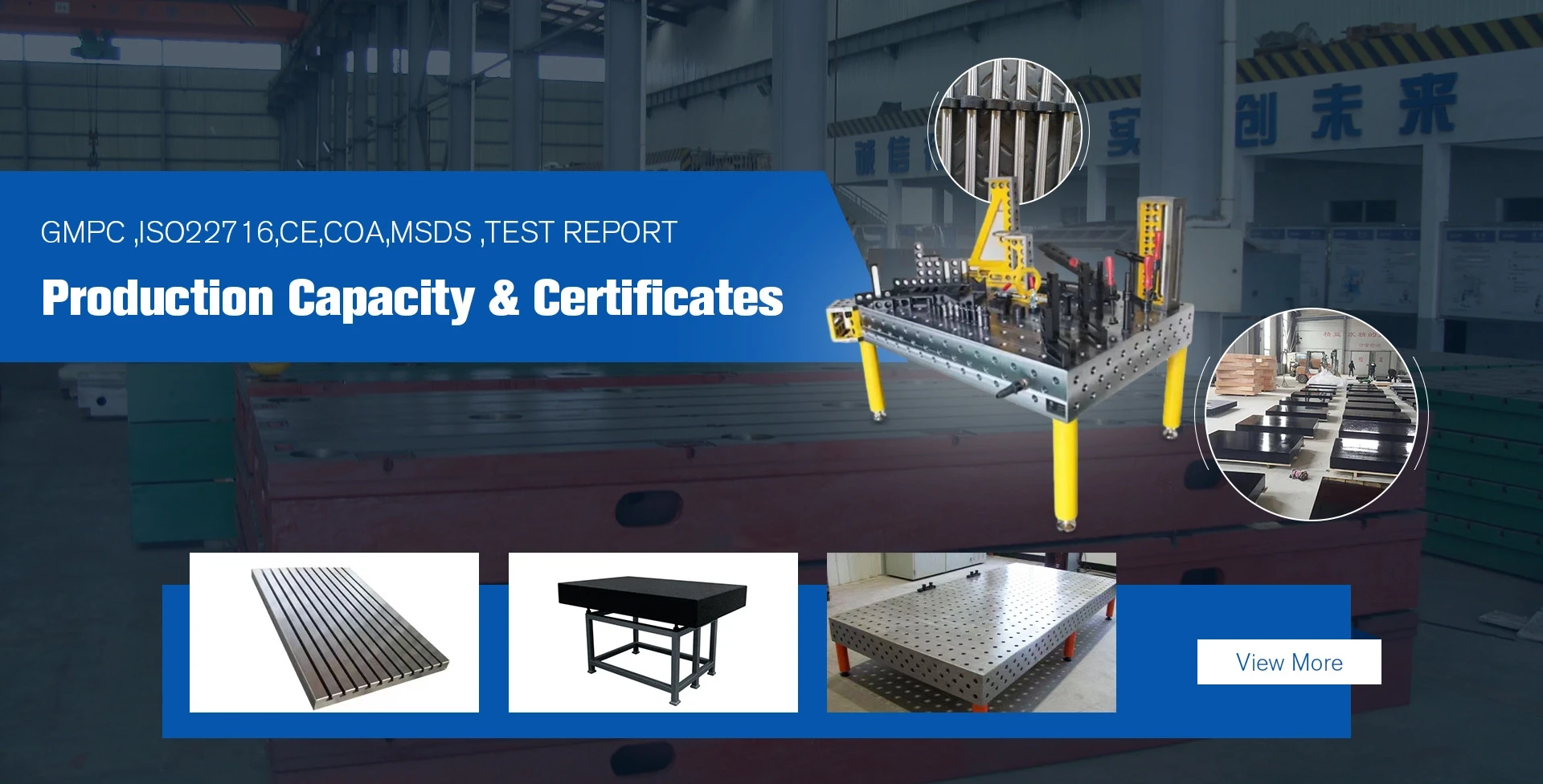
welding table
The Importance of Welding Tables in Metal Fabrication Welding plays a crucial role in various indust
 English